Bandhani Fabric: History, Making Process & Buying Guide for 2026
If there’s one textile that never goes out of style, it’s bandhani fabric. Rooted in centuries-old tradition yet constantly reinventing itself, bandhani fabric continues to dominate festive, bridal, and fusion fashion in 2026.
From royal courts of Rajasthan to modern designer runways, this handcrafted tie-dye art has survived trends, fast fashion, and mass production. But what makes bandhani fabric so special? Let’s explore its history, making process, and how to choose the best bandhani fabric in 2026.
What is Bandhani Fabric?
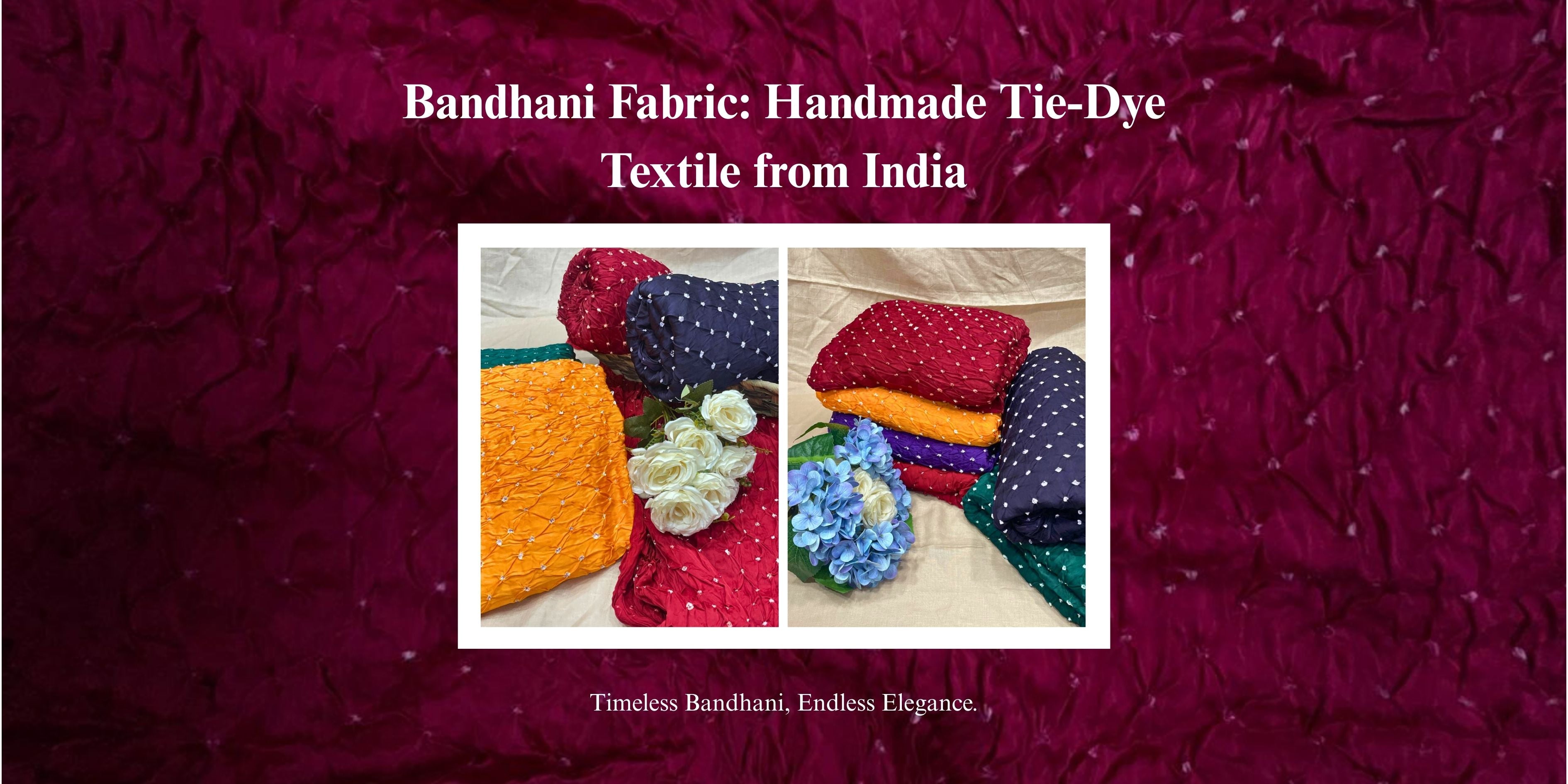
Bandhani fabric is a traditional Indian tie-dye textile created by tightly tying small portions of fabric with thread before dyeing. The tied areas resist color, forming distinctive dotted patterns once opened.
The word “Bandhani” comes from the Sanskrit word Bandh, meaning “to tie.” Every tiny dot you see on bandhani fabric represents a hand-tied knot — and sometimes, a single saree can contain thousands of them.
Authentic bandhani fabric is completely handcrafted, making each piece unique.


The History of Bandhani Fabric
The history of bandhani fabric dates back over 5,000 years. It originated in the regions of Gujarat and Rajasthan and has been mentioned in ancient Indian texts.
Historically:
- Bandhani fabric was worn by royalty.
- Specific colors symbolized marital status and celebrations.
- Red bandhani sarees became iconic bridal wear.
- Yellow and saffron bandhani fabrics were used during religious ceremonies.
Over time, bandhani fabric became a cultural identity for communities in western India. Today, it has evolved into both traditional and contemporary fashion.
How Bandhani Fabric is Made (Step-by-Step Process)
The beauty of bandhani fabric lies in its labor-intensive process. Here’s how it is made:
1. Fabric Selection
Bandhani Fabric can be created on various bases, including:
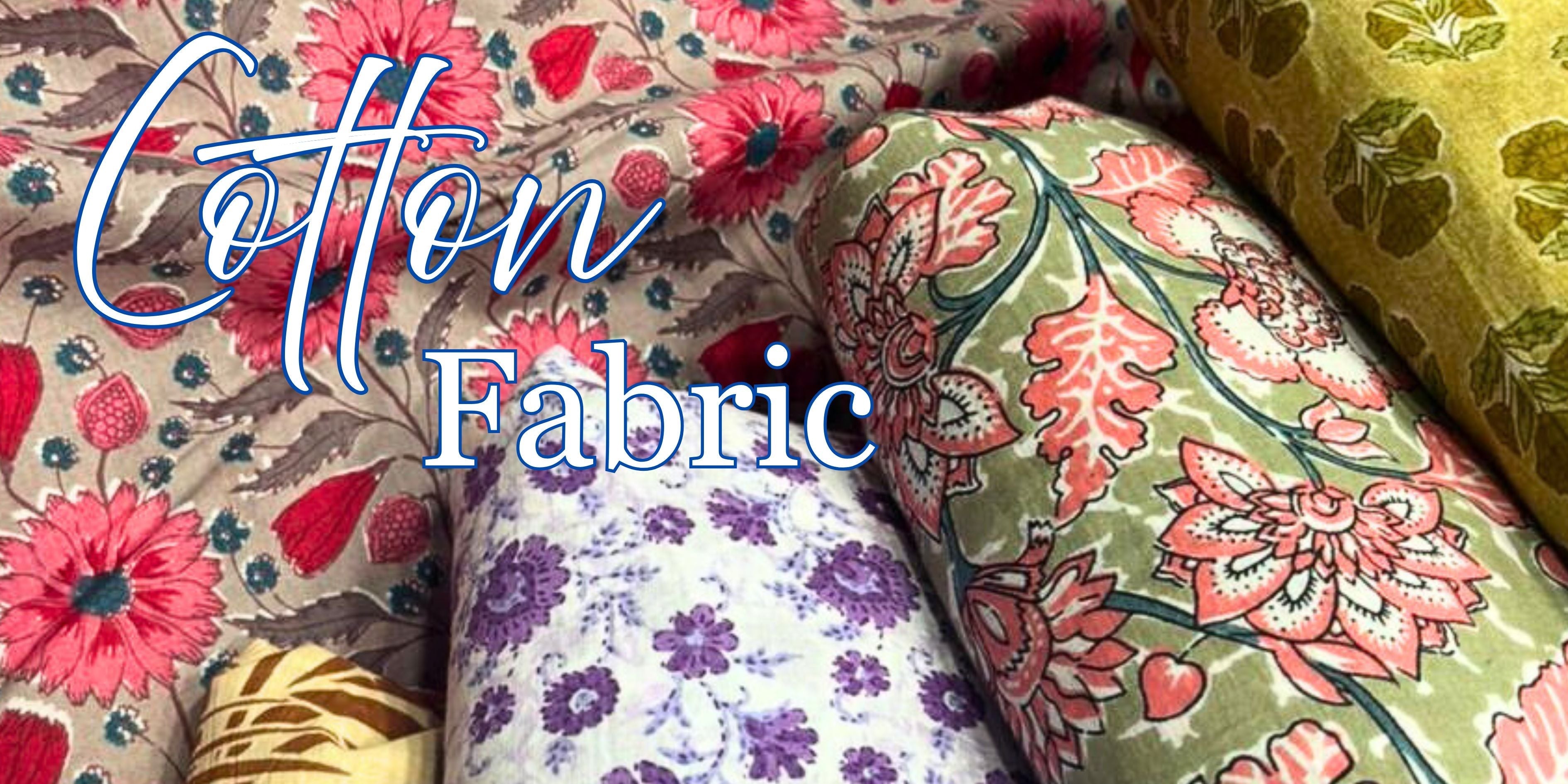
- Cotton
- Silk
- Georgette
- Chiffon
- Crepe
- Muslin
Silk bandhani fabric is popular for weddings, while cotton bandhani fabric is preferred for daily wear.
2. Design Marking
The design is lightly printed or dotted onto the fabric as a guide for tying.
3. Tying (The Core Step)
Artisans pinch tiny portions of the fabric and tightly tie them with thread. Each knot forms one dot in the final pattern.
The more detailed the design, the more knots are tied.
4. Dyeing
The tied fabric is dipped into dye. For multi-colored bandhani fabric, the tying and dyeing process is repeated in stages.
5. Drying & Opening
After drying, the threads are carefully removed to reveal the signature dotted pattern of bandhani fabric.
Because it is handmade, no two bandhani pieces are exactly the same


Types of Bandhani Fabric Designs
There are several traditional patterns found in bandhani fabric:
- Ekdali – Single dot pattern
- Trikunti – Three-dot clusters
- Mothra – Checkered bandhani style
- Leheriya – Wave pattern (popular in Rajasthan)
- Shikari – Complex figurative designs
Each pattern reflects regional craftsmanship and cultural heritage.
Why Bandhani Fabric is Trending in 2026
Bandhani fabric is experiencing a strong revival in 2026 for several reasons:
- Growing demand for handcrafted textiles
- Shift toward sustainable fashion
- Fusion styling trends
- Bridal and festive market demand
- Designer reinterpretations of traditional fabrics
Modern designers are now using bandhani fabric for co-ord sets, jackets, contemporary sarees, and Indo-western outfits.
Bandhani fabric is no longer limited to traditional wear — it is now global fashion.
How to Identify Original Bandhani Fabric
With machine prints entering the market, identifying authentic bandhani fabric is important.
Here’s how you can check:
- Slightly uneven dots (handmade indicator)
- Tiny raised points before ironing
- Minor color variations due to hand dyeing
- Fabric gathers slightly where knots were tied
If the pattern looks too perfect and flat, it may be printed instead of handcrafted.
Bandhani Fabric Buying Guide for 2026
Whether you are a retail buyer or a wholesale fabric purchaser, here’s how to choose the right bandhani fabric:
1. Choose the Right Base Fabric
- For daily wear → Cotton bandhani fabric
- For weddings → Silk or georgette bandhani fabric
- For boutique collections → Crepe or chiffon bandhani fabric
2. Check Knot Density
More knots usually mean:
- Higher craftsmanship
- More detailed design
- Higher price
3. Test Color Quality
Always check:
- Color fastness
- Dye consistency
- Shrinkage percentage (especially for cotton bandhani fabric)
4. Wholesale Buying Tips
If you are purchasing bandhani fabric in bulk:
- Ask for sample swatches
- Confirm dye lot consistency
- Check stitching margins (if pre-stitched items)
- Discuss customization options
Wholesale bandhani fabric suppliers often offer better pricing for larger quantities.
How to Style Bandhani Fabric in 2026
Bandhani fabric is now styled in multiple modern ways:
- Bandhani co-ord sets
- Bandhani crop tops with denim
- Belted bandhani sarees
- Bandhani dupattas over solid outfits
- Contemporary lehengas
The combination of heritage craftsmanship and modern silhouettes makes bandhani fabric a versatile choice.
How to Care for Bandhani Fabric
Proper care ensures long-lasting quality.
- Dry clean silk bandhani fabric for first wash
- Wash cotton bandhani separately
- Avoid harsh detergents
- Do not wring aggressively
- Store away from direct sunlight
Handcrafted bandhani fabric deserves gentle maintenance.
Frequently Asked Questions (FAQs)
What is bandhani fabric?
Bandhani fabric is a traditional Indian tie-dye textile created by tying small portions of cloth before dyeing to form dotted patterns.
Is bandhani fabric suitable for summer?
Yes, cotton and chiffon bandhani fabric are lightweight and breathable, making them suitable for warm weather.
Why is bandhani fabric expensive?
Bandhani fabric is handcrafted and requires thousands of hand-tied knots, making it labor-intensive and valuable.
How can I identify original bandhani fabric?
Look for uneven dots, raised knot textures, slight color variations, and natural fabric gathers.
Where can I buy authentic bandhani fabric?
Authentic bandhani fabric can be purchased from trusted wholesalers, reputed textile stores, or verified online sellers specializing in traditional Indian fabrics.
Final Thoughts
Bandhani fabric is more than a textile — it is a legacy preserved through generations of artisans. In 2026, as fashion shifts toward authenticity and craftsmanship, bandhani fabric continues to shine.
Whether you are a designer, retailer, wholesaler, or fashion enthusiast, investing in genuine bandhani fabric means investing in heritage, artistry, and timeless style.