Linen Fabric 101: A Complete Guide
What Is Linen Fabric?
Why Is Linen So Popular?
There is a reason linen continues to be a wardrobe favourite year after year.
1. Naturally Breathable
Linen is highly breathable and allows air to move through the fabric. This makes it comfortable for summer clothing, particularly in hot climates.
2. Lightweight and Comfortable
Good-quality linen feels light against the skin and can be extremely comfortable for everyday wear. It is a great option when you want your clothes to feel airy rather than heavy.
3. Highly Absorbent
Linen can absorb moisture effectively while still allowing it to evaporate quickly. This is one reason it works so well for warm-weather clothing.
4. Strong and Durable
Linen fibres are naturally strong. With proper care, linen garments can last for years, making the fabric a practical addition to your wardrobe.
5. Timeless Appearance
Trends come and go, but linen has a timeless appeal. Its natural texture works beautifully with both minimalist and contemporary designs.
Different Types of Linen Fabric
Linen Cotton Blend: Combining linen with cotton can make the fabric softer and sometimes easier to handle while retaining much of linen's breathability
Linen Rayon Blend: This type can offer a smoother feel and softer drape, making it suitable for flowing garments.
Linen Viscose: Often chosen for its softer hand feel and fluid drape, linen-viscose blends can work particularly well for dresses, tops, and relaxed silhouettes.
The right choice depends on the garment you are planning to create and the finish you want.


What Can You Make With Linen Fabric?
One of the best things about linen is its versatility. You can use it for both everyday and occasion-inspired designs.
For clothing, linen works beautifully for:
* Shirts and tops
* Kurtas and kurtis
* Dresses
* Trousers and pants
* Co-ord sets
* Sarees
* Jackets and lightweight layers
* Summer suits
* Skirts


How to Choose the Right Linen Fabric
Also pay attention to:
Fabric weight: Lightweight linen is ideal for breezy summer outfits, while heavier linen can work better for structured garments.
Texture: Some linen has a distinctly slubby, natural texture, while others have a smoother finish.
Drape: Always consider how the fabric falls. A fabric that looks beautiful on a roll may behave differently once stitched.
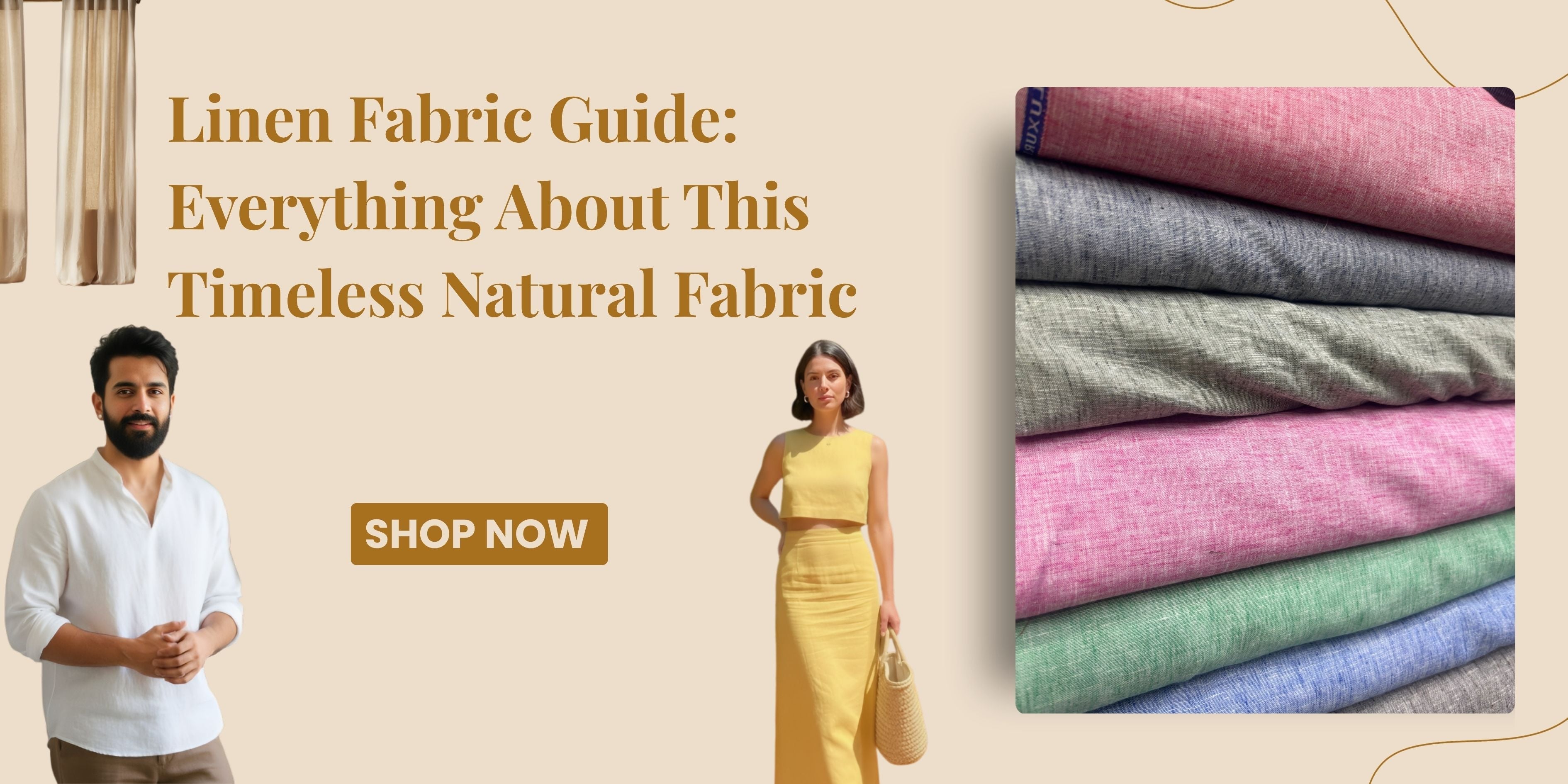
Colour: Natural, white, beige, pastel, and earthy tones are classic linen choices, but dyed linen is available in a wide range of shades.
If you are unsure which linen is suitable for your project, checking the fabric in person or speaking with a fabric expert can make the selection much easier.
How to Care for Linen Fabric
-
Linen is durable, but proper care will help maintain its appearance and feel.
-
Always check the specific care instructions of your fabric first. In general, linen can be washed gently and should not be exposed to unnecessarily harsh treatment.
- Avoid excessive heat when drying or ironing. If you like the natural, relaxed appearance of linen, you can simply let some of its characteristic wrinkles remain.
- For a cleaner finish, iron linen while it is slightly damp or use steam. Store completely dry linen in a cool, dry place with enough space for the fabric to breathe.
Is Linen Good for Indian Summers?
Why Buy Linen Fabric From Kapdashop?
FAQs About Linen Fabric
Is linen fabric good for summer?
Yes. Linen is naturally breathable, lightweight, and moisture-absorbent, making it one of the most popular choices for warm-weather clothing.
Does linen fabric wrinkle easily?
Yes. Linen naturally wrinkles because of the structure of its fibres. These wrinkles are often considered part of linen's relaxed and natural aesthetic.
Is linen better than cotton?
Neither is universally better. Linen generally offers excellent breathability and a distinctive texture, while cotton can feel softer and comes in a very wide range of constructions. The better option depends on the garment and your personal preference.
Is linen fabric expensive?
The price depends on factors such as fibre quality, weight, weave, finishing, and whether it is pure linen or a blend. Premium linen can cost more because of its quality and durability.
Can linen be used for ethnic wear?
Definitely, linen can be used for kurtas, sarees, suits, dupattas, jackets, and contemporary ethnic silhouettes. Its natural texture gives traditional designs a modern feel.
How can I reduce wrinkles in linen?
Steam or iron the fabric while it is slightly damp. However, you don't always need to remove every wrinkle—the naturally creased look is part of linen's character.