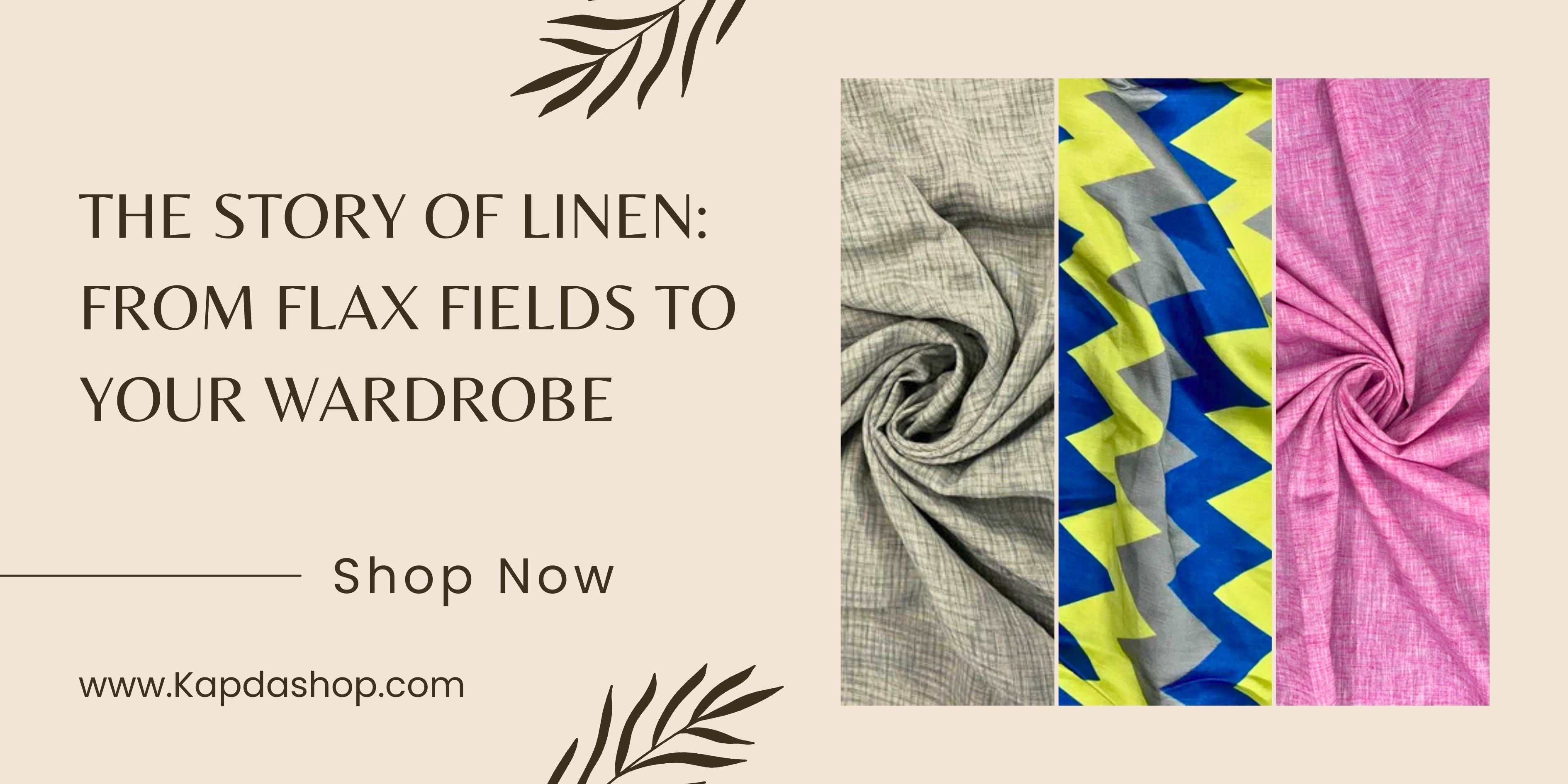
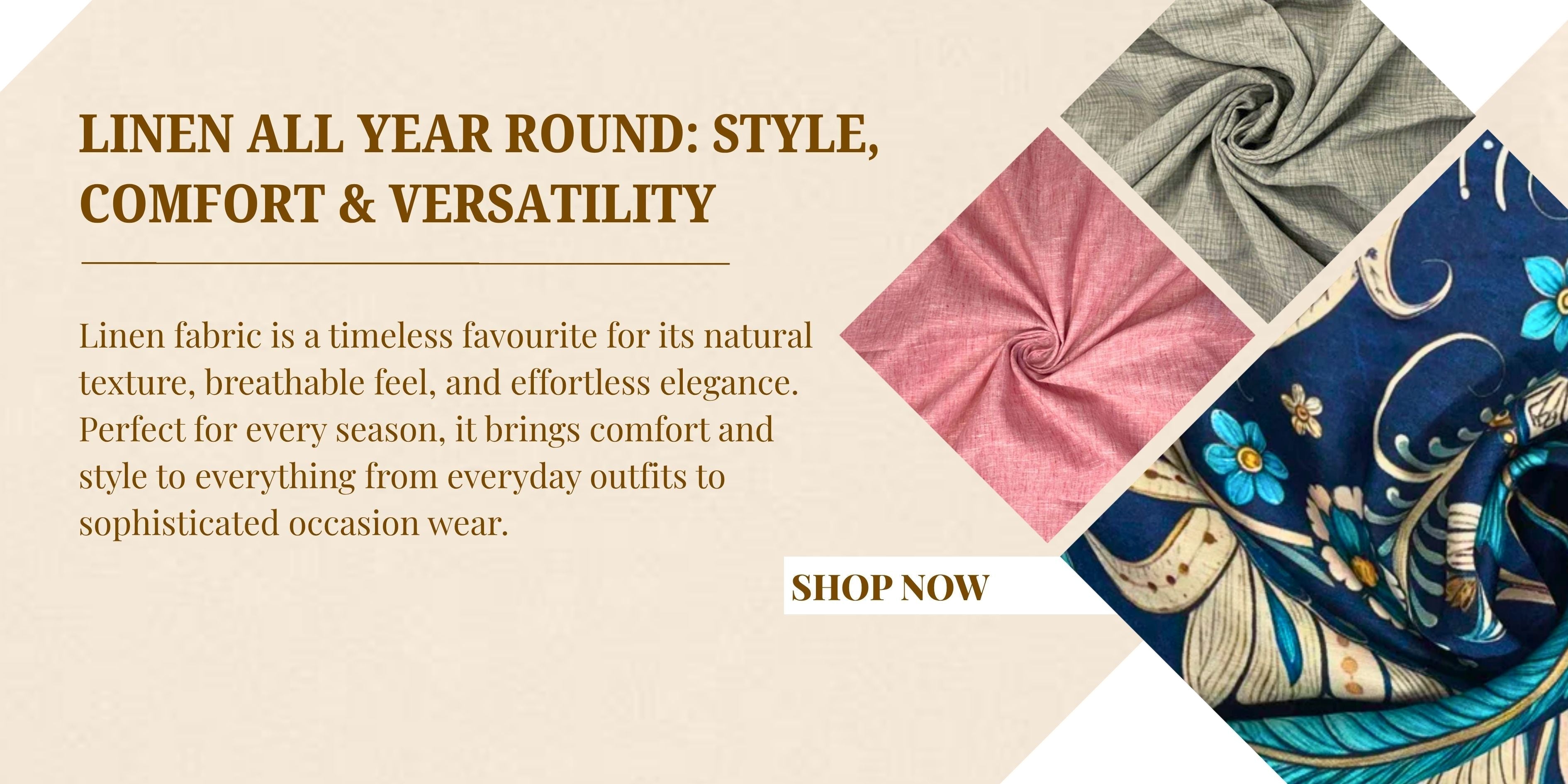
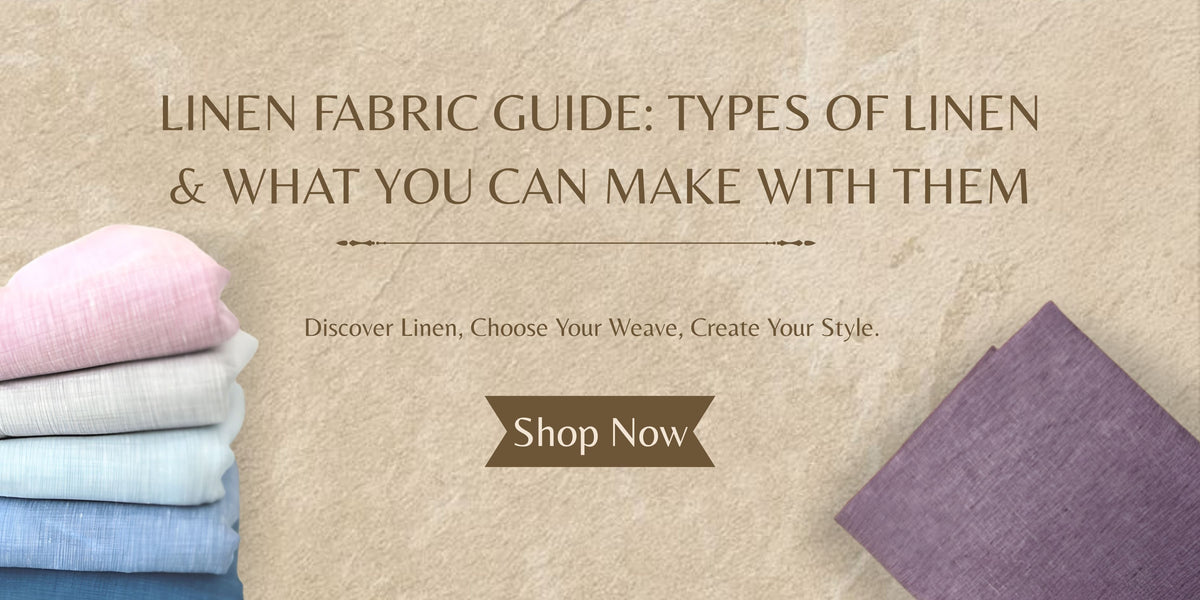
There’s something effortlessly beautiful about linen. It looks relaxed, feels comfortable, and has that naturally textured finish that makes even a simple outfit feel thoughtfully put together. From breezy summer shirts and dresses to elegant trousers, sarees, curtains, and home décor, linen has remained a favourite for generations.
But what exactly makes linen so special? Where does it come from, how is it made, and what are the different types of linen available today? Let’s take a closer look at this timeless fabric.
What Is Linen Fabric?
Linen is a natural textile made from the fibres of the flax plant. Unlike many fabrics that are made from synthetic fibres, linen comes from a plant source, which gives it its distinctive texture and natural appeal.
One of the most recognisable things about linen is its slightly crisp, textured surface. It also has a beautiful tendency to develop soft creases while being worn. Rather than looking messy, these natural wrinkles are often considered part of linen’s charm.
For anyone who loves clothing that feels comfortable but still looks sophisticated, linen can be a great fabric choice.


A Brief History of Linen
Linen is far from being a modern trend. In fact, it is one of the oldest known textiles in the world. Historical evidence suggests that linen was being produced thousands of years ago, with ancient civilisations using it for clothing, household textiles, and ceremonial purposes.
Ancient Egypt is particularly well known for its use of linen. The fabric was valued for its lightweight feel and association with cleanliness and refinement. Over time, linen production spread across Europe and other parts of the world.
Today, linen continues to be appreciated for many of the same qualities that made it popular centuries ago—its strength, breathability, natural texture, and timeless appearance.
How Is Linen Fabric Made?
The process of turning flax into linen involves several stages. While modern technology has made production more efficient, the basic process still depends on carefully extracting and preparing the natural fibres.
1. Growing Flax
The process begins with growing flax plants. Once the plants reach maturity, they are harvested to collect the fibres contained within their stems.
2. Retting
The harvested flax undergoes a process called retting. This helps separate the useful fibres from the woody parts of the plant. Retting can be done using moisture and controlled environmental conditions.
3. Breaking and Scutching
After retting, the dried flax stalks are mechanically broken and processed to remove the unwanted woody material. This leaves behind the long fibres needed to make linen yarn.
4. Spinning
The fibres are then combed and spun into yarn. The quality and length of the fibres can influence the final texture and strength of the linen.
5. Weaving
Finally, the linen yarn is woven into fabric. Depending on the intended use, different weaving techniques and finishing processes can create fabrics with different weights, textures, and appearances.
This journey from flax plant to finished textile is one of the reasons linen has such a distinctive character.
Key Features of Linen Fabric
Linen has several qualities that make it particularly popular, especially for warm-weather clothing.
Breathable: Linen allows air to circulate through the fabric, making it comfortable in warm and humid conditions.
Lightweight: Many linen fabrics have a light, airy feel that works beautifully for summer garments.
Moisture Absorbent: Linen can absorb moisture while still feeling relatively comfortable against the skin.
Durable: Linen fibres are known for their strength, making well-made linen garments long-lasting when properly cared for.
Natural Texture: Its slightly uneven, textured appearance gives linen a relaxed and premium look.
Gets Softer With Use: Linen often becomes softer and more comfortable after repeated washing and wearing.
Naturally Wrinkled: Linen creases easily, but these wrinkles are part of its signature aesthetic and contribute to its laid-back appeal.
Different Types of Linen Fabric
Not all linen looks or feels the same. Different varieties and blends are available depending on the manufacturing process and intended use.
Pure Linen
Made entirely from flax fibres, pure linen has the classic linen texture and natural breathability. It is commonly used for premium clothing, shirts, dresses, trousers, and home textiles.
Linen Cotton
This blend combines linen with cotton, offering a balance between linen’s texture and cotton’s softness. It can be a practical option for everyday clothing.
Linen Rayon
Linen-rayon blends can have a softer and smoother drape than pure linen. They are often used when designers want linen-inspired texture with a more fluid fall.
Damask Linen
Damask linen is known for its woven patterns and refined appearance. It is commonly associated with table linens, decorative textiles, and elegant home furnishings
Linen Blend Fabrics
Linen may also be blended with materials such as viscose or other fibres to achieve specific characteristics such as softness, drape, durability, or affordability.
Where Can Linen Fabric Be Used?
Linen is incredibly versatile. In fashion, it can be used to create shirts, dresses, trousers, skirts, co-ord sets, kurtas, sarees, jackets, and summer tops.
Its use isn’t limited to clothing either. Linen is also popular for bedsheets, tablecloths, curtains, cushion covers, towels, and other home décor products.
At
Kapdashop, linen is especially useful for designers, boutique owners, and anyone looking for a fabric that combines comfort with a naturally sophisticated appearance.
How to Care for Linen Fabric
Linen is durable, but a little care can help maintain its appearance for longer.
Always check the fabric’s specific care instructions before washing. In general, gentle washing is preferable, and harsh detergents should be avoided. Avoid excessive heat while drying or ironing, as it can affect the fabric.
If you love linen’s naturally relaxed look, you don't necessarily need to iron it completely smooth. A few soft creases are part of the fabric’s character.
FAQs About Linen Fabric
Is linen good for summer?
Yes. Linen is breathable and lightweight, which makes it a popular choice for warm-weather clothing. It can be particularly comfortable when temperatures are high.
Does linen wrinkle easily?
Yes, linen naturally wrinkles more easily than many other fabrics. However, its relaxed, slightly crumpled appearance is one of the qualities people love about it.
Is linen durable?
Yes. Linen fibres are naturally strong, and quality linen can last for years when properly cared for.
Is linen suitable for Indian weather?
Linen can work very well for warm Indian weather because of its breathable and lightweight nature. The right linen weight and weave can make a significant difference in comfort.
Is pure linen better than linen blends?
It depends on the requirement. Pure linen offers the classic linen experience, while blends can provide different levels of softness, drape, texture, and durability.
What can I make with linen fabric?
Linen can be used for everything from shirts, dresses, trousers, skirts, kurtas, and co-ords to sarees and home décor. The choice depends on the fabric’s weight, weave, and finish.
Final Thoughts
Linen is much more than a seasonal fabric. Its natural origins, breathable character, durability, and timeless texture have kept it relevant for centuries. Whether you're designing a relaxed summer collection, creating everyday outfits, or looking for an elegant fabric for a special project, linen offers plenty of possibilities.
The beauty of linen is that it doesn't need to try too hard. Its texture, movement, and natural creases give every outfit a relaxed yet refined personality.
At Kapdashop, exploring the right fabric is all about understanding what works for your design. With the right linen, a simple idea can turn into something effortlessly stylish, comfortable, and made to last.