Suede Fabric: A Complete Guide to Origin, Properties, and Uses
Suede fabric is renowned for its soft, velvety texture and elegant appearance, making it a favorite material in fashion, accessories, and home décor. But what exactly is suede fabric, and how does it differ from other materials? Understanding suede fabric’s origin, properties, and manufacturing process reveals why it remains so popular and valuable despite its delicate nature. In this comprehensive guide, we’ll dive deep into suede fabric—exploring its history, unique qualities, production, and broad range of applications for designers, manufacturers, and consumers alike.
What is Suede Fabric?
Definition and Origin
Suede fabric is a type of leather distinguished by its soft, napped surface, produced from the underside of animal hides such as lamb, cow, goat, or deer. Unlike traditional leather, which uses the skin’s outer grain, suede’s fabrication from the inner layers gives it a plush, velvety feel favored for its luxury and comfort.
The term “suede” traces back to the French phrase gants de Suède, meaning gloves of Sweden,” referencing when Swedish artisans crafted soft gloves from this material in the 18th century. The popularity of these gloves quickly spread across Europe, inspiring the evolution of suede fabric into products beyond gloves, such as clothing, shoes, and furnishings.
Suede Fabric Characteristics
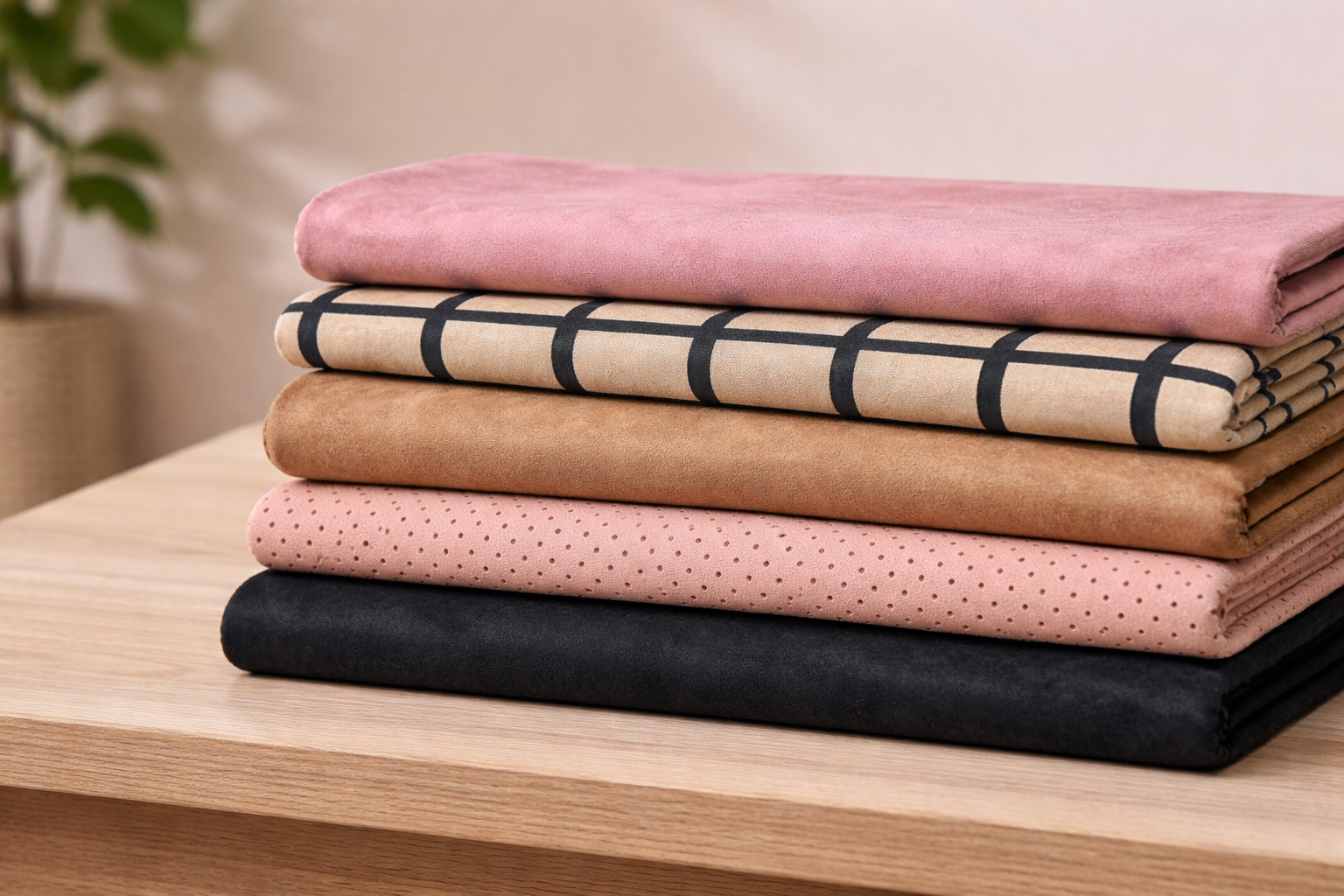
Suede fabric has a matte finish, softer texture, and greater permeability compared to full-grain leather. Its lightweight nature and flexible feel make suede ideal for products that prioritize comfort and tactile luxury. However, suede’s porous quality also means it is less resistant to water and stains, requiring careful maintenance.
Key Properties of Suede Fabric
Softness and Texture
One of the most defining attributes of suede fabric is its irresistibly soft, brushed surface. This napped finish comes from sanding the underside of the hide to raise the tiny fibers, yielding a plush and smooth hand-feel that distinguishes it from tougher leather varieties.
Lightweight and Breathability
Suede material is lighter than conventional leather due to its thinner cross-section, enhancing wearer comfort in garments and footwear. Additionally, suede’s porous structure allows for better air circulation, making it more breathable—ideal for shoes and apparel worn for extended periods.
Durability and Limitations
While suede fabric retains reasonable durability, it is inherently more delicate than full-grain leather. It is prone to water damage, staining, and surface abrasion. Special protective finishes and proper care help prolong its lifespan, but users must avoid harsh conditions and daily wear to maintain its appearance.
Adaptability to Dyeing
Due to its textured surface, suede fibers readily absorb dyes, resulting in vibrant, diverse color options. This characteristic is prized in fashion and upholstery, where shades range from traditional earth tones to bold hues that enhance suede’s aesthetic appeal.
Manufacturing Process of Suede Fabric
Raw Material Sourcing and Preparation
Suede production begins with selecting high-quality animal hides, primarily from lambs, cows, goats, or deer. These skins are typically byproducts of the meat industry, ensuring minimal waste usage. Once sourced, the hides are cleaned, and hair is removed through soaking and liming treatments.
Splitting and Sanding
The hides are then split into layers—the top grain for traditional leather and the inner layers for suede. The inner layer undergoes meticulous sanding and buffing to raise the characteristic nap, creating the soft, fuzzy surface that defines suede fabric.
Tanning and Dyeing
Tanning stabilizes the leather fibers, preventing decay and imparting durability. Suede tanning uses either chrome-based or vegetable tanning methods, with vegetable tanning being more eco-friendly. After tanning, the fabric is dyed to specification, allowing a rich variety of colors.
Finishing and Protection
Finally, suede may receive treatment with protective coatings to improve resistance against water and stains, though these treatments must balance protection while preserving suede’s soft texture. The finished suede fabric is inspected for softness, uniform color, and quality before being delivered to markets.
Common Uses of Suede Fabric
Fashion and Apparel
Suede is a staple in fashion due to its luxurious look and feel. It is widely used for:
- Jackets and Coats – Offering warmth and a classic elegant appearance.
- Shoes – Especially dress shoes, boots, loafers, and moccasins.
- Accessories – Including handbags, belts, gloves, and hats.
- Skirts and Pants – For high-end, textured garments.
Home Décor and Upholstery
Suede’s softness and rich texture lend warmth to interior design, appearing in:
- Furniture coverings, such as sofas and armchairs.
- Decorative cushions, throws, and rugs.
- Automotive interiors, notably luxury vehicle seats and accents.
Industrial and Specialized Uses
Besides aesthetics, suede serves technical roles including:
- Polishing cloths used in delicate electronics and jewelry care.
- Protective linings for tools to prevent scratching.
- Sporting goods, such as grips and gloves, benefiting from suede’s softness and texture.
Faux Suede Fabric
Faux suede fabric, made from synthetic fibers, replicates suede’s look and feel but offers enhanced durability, easier cleaning, and increased water resistance. This vegan alternative is popular amongst consumers seeking cruelty-free and more affordable options.
Types of Suede Fabric
Natural Suede Varieties
- Lamb Suede: Light, soft, and luxurious, ideal for delicate garments and accessories.
- Cowhide Suede: Thicker and more robust, common in shoes and upholstery.
- Goat Suede: Offers a tactile balance of softness and durability, often used in bags and gloves.
- Deerskin Suede: Soft, breathable, and flexible, favored for gloves and luxury wear.
- Pigskin Suede: Tougher texture, economical, used in casual footwear and industrial gloves.
Specialized Variants
- Nubuck: Made from top grain leather, it has a surface similar to suede but is generally more durable.
- Eco-Tanned Suede: Produced using vegetable tanning, reducing environmental impact.
- Waterproof Suede: Treated to resist moisture while retaining tactile softness.
- Faux Suede Fabric: Synthetic, stain-resistant, popular for its cost-effectiveness and ethical appeal.
Care and Maintenance of Suede Fabric
Cleaning Techniques
Due to its sensitivity, suede requires gentle maintenance:
- Use a soft-bristled suede brush regularly to remove dust and restore nap.
- For stains, a suede eraser or mild vinegar solution can be cautiously applied.
- Avoid water exposure; if suede gets wet, blot with a dry cloth and air dry.
Protection and Storage
- Apply water-repellent sprays designed specifically for suede to reduce staining risks.
- Store suede items in a dry, cool place away from direct sunlight to prevent fading.
- Keep items stuffed or on shaped hangers to maintain their form.
Environmental and Ethical Considerations
Animal-Derived Suede and Sustainability
Natural suede fabric’s environmental impact depends heavily on animal husbandry practices. While suede usually comes as a byproduct of meat industries, ethical concerns arise regarding animal welfare and resource consumption in livestock farming. Vegetable tanning methods have helped reduce chemical pollution associated with leather processing.
Faux Suede as an Eco-Friendly Alternative
Faux suede fabric offers a cruelty-free, more environmentally conscious option, especially when made with recycled polyester or other sustainable materials. It reduces reliance on animal products and often requires less intensive processing.
Summary and Call to Action
In summary, suede fabric is a luxurious, soft leather known for its velvety texture derived from the underside of animal hides. Its unique properties of softness, breathability, and adaptability to dye make it cherished across fashion, home décor, and specialized industries. While natural suede requires careful maintenance and ethical consideration, faux suede fabric provides an accessible and durable alternative. Understanding the manufacturing process and various suede types empowers consumers and designers alike to choose the ideal fabric for their needs. To explore a wide range of high-quality suede fabric options for your next project, visit our suede fabric collection and experience the timeless elegance and comfort of true suede.